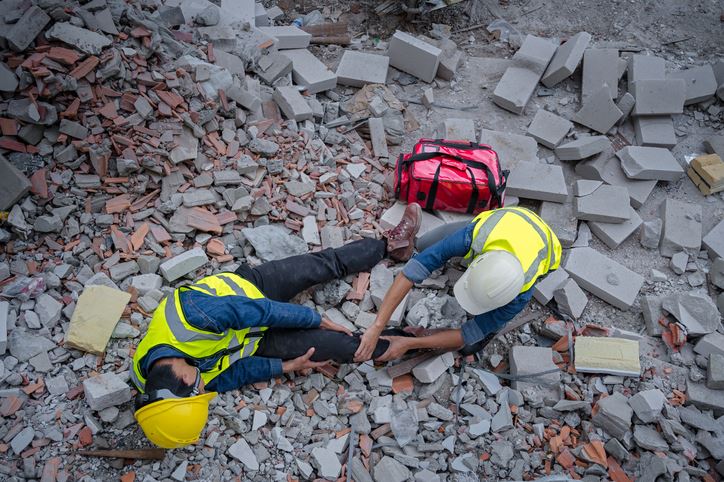
An unexpected accident can change the trajectory of your life in an instant. While any injury brings stress and pain, a catastrophic injury fundamentally alters your daily existence, your independence, and your future.
If you or a loved one is trying to piece things together after a severe accident here in Missouri, you are likely facing an overwhelming mountain of medical bills, emotional trauma, and uncertainty. Understanding how the law defines these life-altering injuries is a critical first step toward protecting your future.
Defining a Catastrophic Injury
In legal and medical terms, a catastrophic injury is generally defined as a severe, long-term, or permanent injury that prevents a person from performing gainful work or maintaining the quality of life they had before the accident.
Unlike a broken bone or a minor concussion that heals completely after a few months, a catastrophic injury leaves lasting, often permanent, damage. Under federal law and Missouri legal precedents, these injuries typically involve damage to the central nervous system or other major bodily functions.
Common Types of Catastrophic Injuries
Catastrophic injuries can happen in a split second during a highway collision, a workplace accident, or a severe fall. The most common types include:
Traumatic Brain Injuries (TBIs): Severe head trauma can alter cognitive function, personality, speech, and motor skills, requiring lifelong care or cognitive therapy.
Spinal Cord Injuries and Paralysis: Damage to the spinal cord can result in partial or total paralysis (paraplegia or quadriplegia), permanently taking away mobility.
Severe Burns: Third-degree burns covering a large percentage of the body cause excruciating pain, permanent scarring, disfigurement, and a high risk of ongoing infections or respiratory complications.
Amputations: Losing a limb causes permanent disability and requires ongoing physical therapy, prosthetic adjustments, and structural changes to home and work environments.
Organ Damage or Internal Loss: Severe blunt-force trauma can destroy internal organs, leading to chronic illness or systemic failure.
The True Cost of a Catastrophic Injury
When an injury is classified as catastrophic, the financial and emotional damages are calculated on a much larger scale than a typical personal injury claim. Missouri families are often forced to adapt to a "new normal" that includes:
Continuous Medical Expenses: Lifelong surgeries, specialized medications, rehabilitation, and round-the-clock nursing care.
Home and Vehicle Modifications: Wheelchair ramps, widened doorways, and modified vehicles to accommodate new physical limitations.
Loss of Earning Capacity: The inability to return to your previous career or earn a living at all.
Profound Pain and Suffering: The psychological toll, depression, and loss of enjoyment of life that accompany a permanent disability.
Because Missouri utilizes a comparative fault system, navigating a claim for a severe injury requires precise evidence to ensure you recover the maximum compensation needed to cover a lifetime of care.
You Do Not Have to Walk This Path Alone
A catastrophic injury doesn’t just impact the victim; it impacts the whole family. Trying to deal with insurance companies and legal deadlines while coping with a severe physical transformation is a burden you shouldn’t carry by yourself. At Henry, Williams & Kinder, P.C., we are committed to providing the compassionate, trustworthy, and fierce legal representation you deserve during this difficult time. Let us handle the legal weight so you can focus on healing.
Contact us today at } for a free, confidential consultation.